Guide to Choosing and Maintaining Quality Tyres for Vehicles in Dubai
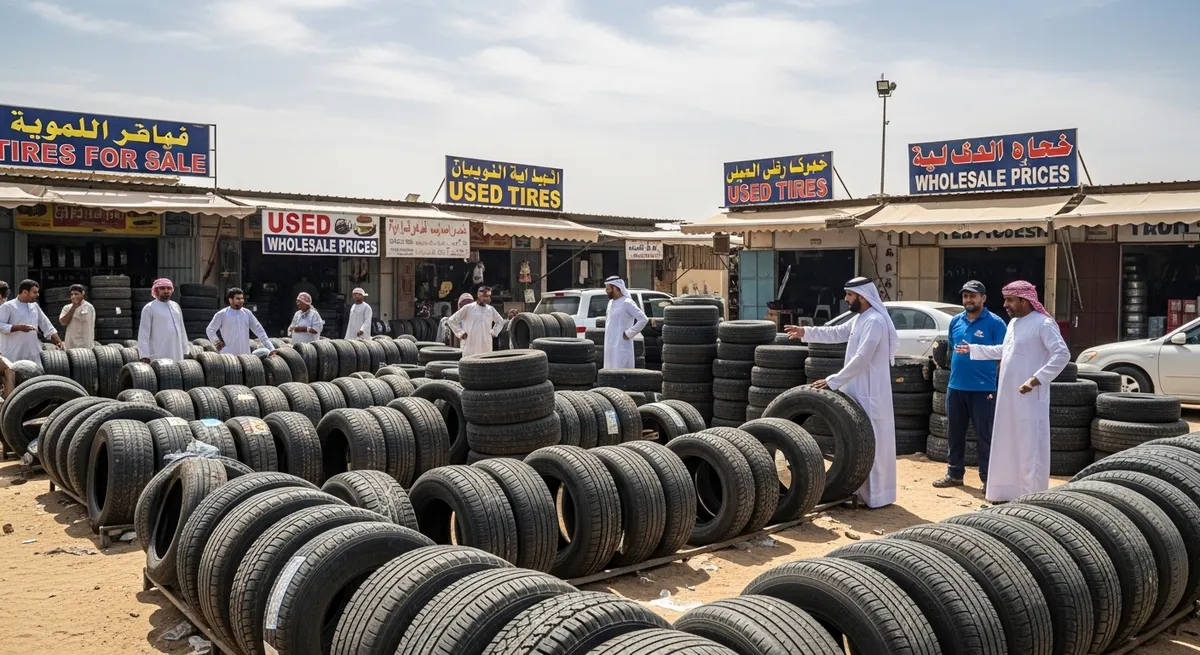 Driving across Dubai’s expansive highways and urban streets requires reliable tyres that withstand intense heat, occasional sandstorms, and high-speed commuting. With temperatures regularly exceeding 40°C in summer and heavy daily traffic, selecting the right set directly influences safety, fuel efficiency, and overall vehicle performance. This guide combines practical insights on tyre types, top brands available locally, maintenance practices, and market trends to help UAE residents make informed decisions that suit their driving habits and budgets.
Understanding Different Tyre Categories Available in the UAE
Tyres come in several categories designed for specific conditions. Summer tyres perform best in hot, dry climates like Dubai’s, offering superior grip on asphalt and shorter braking distances at high temperatures. All-season tyres provide a balanced option for year-round use, handling light rain and moderate heat without needing seasonal swaps. Performance tyres cater to sports cars and luxury vehicles, delivering enhanced handling and cornering stability. Off-road or SUV tyres feature deeper treads for occasional desert driving or sand traction. Run-flat technology allows continued driving after a puncture, adding convenience in a city where pulling over safely can prove challenging. Each category carries load and speed ratings clearly marked on the sidewall, helping match the tyre to the vehicle’s requirements and local road demands.
Key Factors to Consider When Selecting Tyres
Several elements determine the best choice for Dubai roads. Heat resistance ranks highest because extreme temperatures accelerate rubber degradation and increase blowout risks. Tread patterns that channel water effectively matter during rare but heavy rain showers. Noise levels affect driving comfort on long Sheikh Zayed Road commutes. Fuel efficiency improves with low rolling resistance designs, which many modern tyres now incorporate. Load index and speed rating must meet or exceed the manufacturer’s specifications listed in the vehicle handbook. Budget plays a role too—premium options last longer while budget-friendly lines offer solid performance for everyday sedans. Checking the tyre’s EU label or equivalent ratings for wet grip, fuel consumption, and noise helps compare options quickly at any outlet.
Top Tyre Brands Popular Among UAE Drivers
Several international manufacturers dominate the local scene due to their proven performance in Gulf conditions. Michelin stands out for innovative compounds that resist heat and deliver long mileage, making it a frequent choice for comfort-focused drivers. Bridgestone earns praise for durability and quiet operation, ideal for taxis and ride-hailing fleets that accumulate high kilometres daily. Pirelli appeals to owners of performance vehicles with tyres that provide excellent dry grip and responsive handling. Continental impresses with German engineering focused on safety features like advanced tread designs that maintain contact in varied conditions. Goodyear offers reliable all-rounders suitable for family SUVs, while Dunlop and Yokohama provide strong value with good heat tolerance and traction. Nexen and Hankook serve as affordable yet dependable alternatives that balance cost and quality for daily commuters. These brands maintain wide availability across Dubai’s tyre centres, ensuring easy access to replacements and fitting services.
How to Read Tyre Markings and Sizes Correctly
Every tyre sidewall contains critical information that prevents mismatched purchases. The size code, such as 225/55R17, indicates width in millimetres, aspect ratio as a percentage, and rim diameter in inches. Load index shows the maximum weight each tyre can carry, while speed rating letters denote the highest safe velocity. DOT codes reveal the manufacturing date—tyres older than six years generally warrant replacement regardless of tread depth. Understanding these markings ensures compatibility with the vehicle and compliance with UAE road regulations. Many drivers photograph the sidewall before shopping to avoid confusion at busy outlets.
In a bustling market where numerous options compete for attention, finding dependable tyres in dubai becomes straightforward once drivers know what specifications and performance features matter most for local conditions.
Tyre Maintenance Practices That Extend Lifespan
Proper care significantly prolongs tyre life in Dubai’s harsh environment. Regular pressure checks—ideally weekly—prevent under-inflation that causes excessive heat buildup and uneven wear. Rotating tyres every 8,000 to 10,000 kilometres promotes even tread degradation across all four positions. Wheel alignment and balancing correct issues caused by potholes or curbs, reducing vibration and improving fuel economy. Visual inspections for cuts, bulges, or embedded stones catch problems early. Avoiding overloading the vehicle and aggressive acceleration helps preserve rubber compounds. During summer peaks, parking in shaded areas whenever possible limits direct sun exposure that hardens the rubber. These simple habits can add thousands of kilometres to a set’s usable life while maintaining safety margins.
Seasonal Considerations for Dubai Driving Conditions
Although the UAE experiences no true winter, seasonal adjustments still apply. Summer tyres excel from April to October when heat dominates, offering better high-temperature stability than all-season models. All-season tyres work well for drivers who prefer one set year-round and encounter occasional wet roads during cooler months. Desert excursions demand tyres with stronger sidewalls and appropriate tread patterns to handle sand without excessive digging. Monitoring weather forecasts helps decide whether extra caution or specific tyre pressure adjustments are needed during sandstorms. Many local drivers keep a pressure gauge in the glovebox and adjust slightly lower for sand driving, then reinflate for highway use.
The Growing Tyre Market in the UAE
Market data highlights strong demand across the Emirates. The UAE tyre market reached approximately USD 1.34 billion in 2025 and is projected to grow at a compound annual growth rate of around 8.94 percent through 2032, reaching USD 2.24 billion. Dubai alone accounts for nearly 29 percent of the national share, driven by high vehicle density, extensive ride-hailing services, and continuous infrastructure projects. Advanced tyre segments, including those with run-flat and eco-friendly features, are expanding rapidly as consumers prioritize safety and sustainability. This growth supports a competitive retail environment with numerous authorised dealers and service centres offering fitting, balancing, and disposal services in compliance with local environmental standards.
Common Tyre Problems and Troubleshooting Tips
Several issues appear frequently in Dubai’s climate. Uneven wear often signals alignment problems or inconsistent pressure. Cracking on sidewalls results from prolonged heat exposure and age. Loss of pressure may indicate a slow puncture or faulty valve. Vibrations at certain speeds usually point to imbalance or damaged rims. Addressing these promptly prevents bigger safety risks. Many centres provide free visual checks and pressure tests, encouraging drivers to combine routine oil changes with tyre inspections. Replacing tyres in pairs or as a full set maintains balanced handling and braking performance.
Environmental and Safety Regulations in the UAE
UAE authorities enforce standards that protect both drivers and the environment. Tyres must meet minimum tread depth requirements—typically 1.6 millimetres across the central three-quarters of the tread. Imported tyres undergo quality checks to ensure they carry proper certifications. Proper disposal of old tyres prevents environmental harm, with many shops participating in recycling programs. Drivers caught with bald or damaged tyres face fines during routine inspections or accidents. Staying informed about these rules helps avoid penalties while contributing to safer roads across the emirates.
Budgeting for Tyres and Related Services
Costs vary widely depending on brand, size, and technology. Premium sets for popular sedan sizes can range from several hundred dirhams per tyre, while budget options start lower without sacrificing basic safety. Fitting, balancing, and valve replacement usually add a modest service fee. Many outlets offer packages that include alignment or nitrogen filling for better pressure stability in heat. Comparing quotes from multiple reputable centres reveals competitive pricing, especially during promotional periods. Factoring in longer lifespan of quality tyres often makes them more economical over time compared to frequent budget replacements.
Preparing for Tyre Changes and Emergency Situations
Every driver benefits from basic preparedness. Keeping a spare tyre, jack, and wheel wrench in good condition avoids roadside delays. Knowing how to use the vehicle’s tyre pressure monitoring system alerts to issues early. Carrying a portable compressor proves useful for minor pressure adjustments. In case of a flat, modern run-flat tyres or temporary repair kits provide options until professional help arrives. Familiarity with emergency numbers and nearby service centres adds peace of mind during long desert drives or late-night commutes.
Conclusion
Quality tyres form a critical foundation for safe and comfortable driving throughout Dubai and the wider UAE. By understanding categories, brands, maintenance routines, and market realities, residents can select options that match their vehicles, budgets, and typical routes. Regular attention to pressure, alignment, and tread condition maximises performance while minimising risks in challenging local conditions. Staying proactive with inspections and timely replacements contributes to smoother journeys, lower running costs, and greater confidence on the road. Whether navigating daily urban traffic or planning weekend adventures, informed choices regarding tyres deliver lasting benefits for every driver and passenger.