Beyond the Leash: Training for Independence
Most people see a service dog in a vest and notice the perfect behavior or quiet focus. What they don’t see are the hundreds of hours, the early morning wake-up calls, and the strong emotional bond that makes that partnership possible. Training service dogs for veterans begins with a tiny puppy and ends with a transformed human. This process involves more than just treats and commands. It requires a deep commitment to the belief that independence is a right everyone deserves.
The Daily Rhythm of Service Dog Training
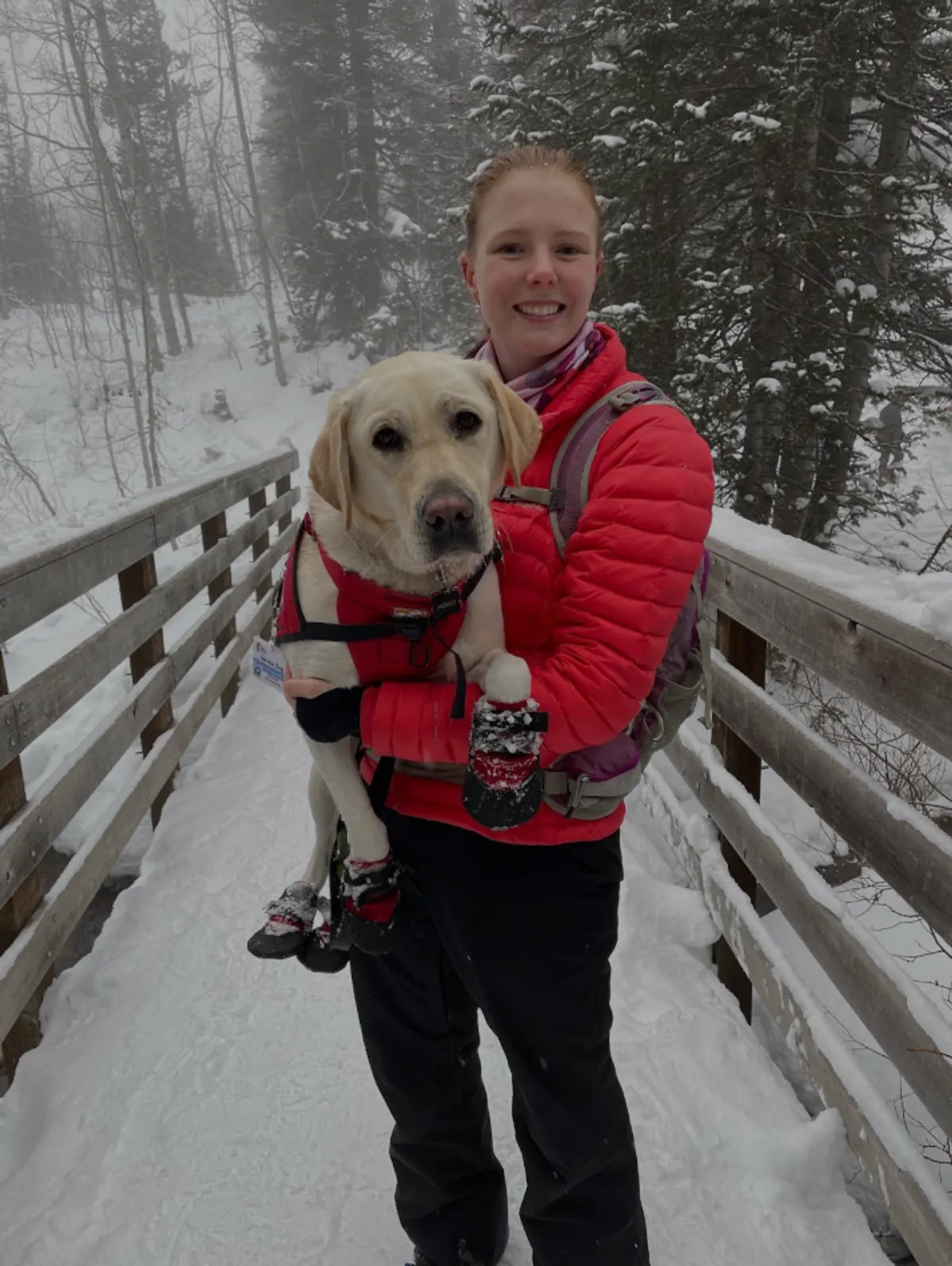
The work starts long before a dog meets its forever partner. From a puppy's early months, every outing becomes a classroom. Whether it’s a trip to a noisy grocery store or a quiet afternoon in a library, the goal of service dog training is to make sure the animal is unfazed by the world. For Jessie Rudin, this meant including these dogs in every part of daily life for months. The training isn’t just about “sit” or “stay.” It’s about teaching a dog to be an extension of a person’s body, learning to flip light switches, retrieve dropped keys, or provide physical support for someone with mobility challenges.
More Than Just Tasks: The PTSD Connection
While physical tasks are crucial, the emotional support these animals provide often leads to the most significant changes. Many veterans with PTSD struggle with hyper-vigilance or anxiety in crowded places. Through specialized assistance dog training, these dogs learn to create a "buffer" in public, positioning themselves to give their handler a sense of security. They are trained to recognize subtle signs of distress, often intervening before a veteran realizes a panic attack is starting. Seeing a dog lean against a handler to provide grounding is a powerful reminder of how intuitive these animals can be.
The Goal of Total Independence
The ultimate aim of dog training for independence is to help a veteran regain their life. For many, a service dog means fewer medications, the ability to attend a child’s school play, or just the confidence to leave the house alone. Jessie Rudin has witnessed how a dog can change from a playful trainee into a focused professional capable of detecting seizures or waking someone from a nightmare. This transition is built on trust. When the day finally comes to hand over the leash, it brings a bittersweet feeling of loss, but that quickly changes to the knowledge that the dog is exactly where it belongs.
A Legacy of Service
Training nine different dogs means experiencing nine different personalities, but the mission stays the same. Every veteran who served our country deserves the best support as they work toward normalcy. As Jessie Rudin continues this work, the focus remains on the quiet, unglamorous moments of repetition and patience that eventually lead to breakthroughs. It’s a life dedicated to others, showing that one person—and one well-trained dog—can make a huge difference.