The Steel Fabricator’s Guide to Structural vs. Miscellaneous Steel
Steel fabrication plays a central role in modern construction, supporting everything from commercial buildings and industrial facilities to bridges and infrastructure projects. However, not all fabricated steel serves the same purpose. Two major categories dominate fabrication work: structural steel and miscellaneous steel. While both contribute to the overall success of a project, they differ significantly in design intent, fabrication processes, installation timing, and performance expectations. For steel fabricators, understanding these differences is essential for accurate planning, efficient production, and successful project execution.
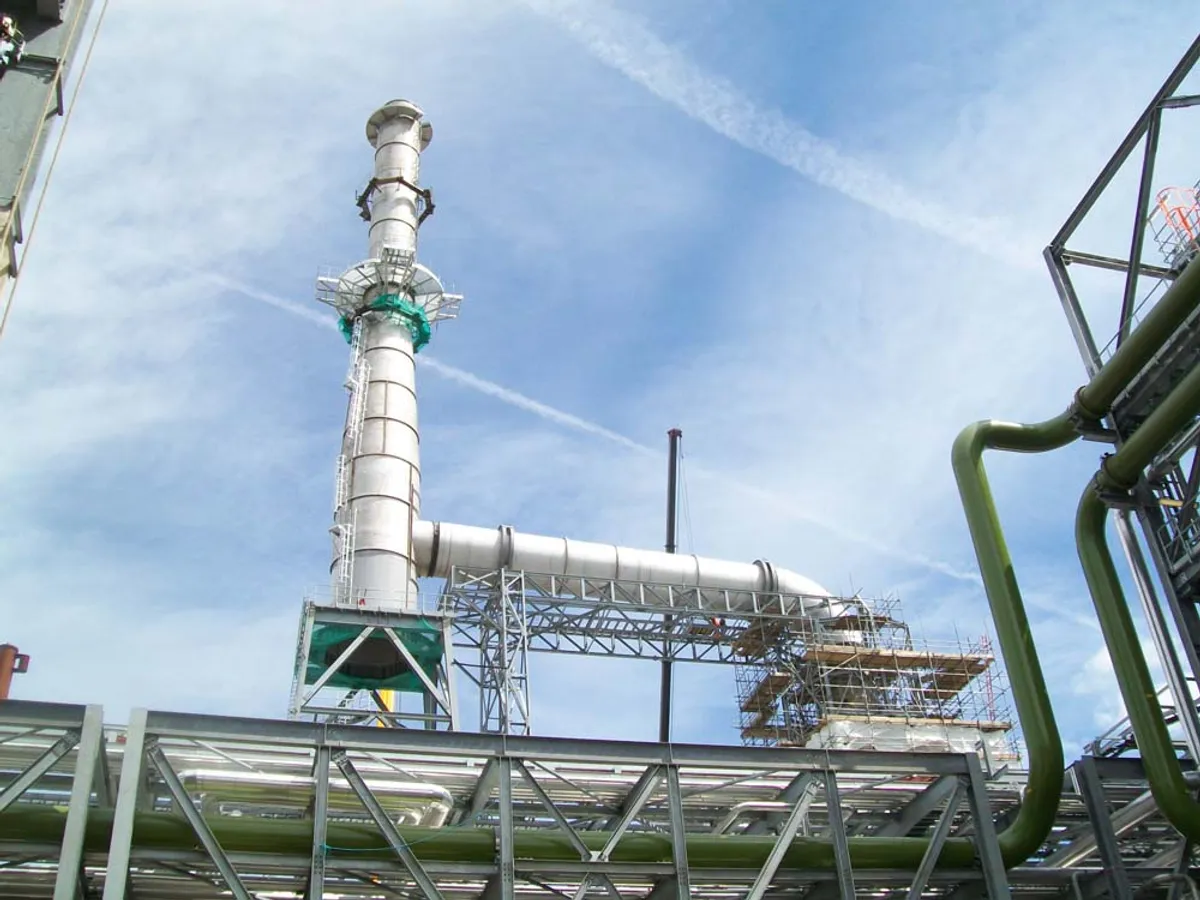
Understanding Structural Steel
Structural steel refers to the primary framework that carries and distributes loads throughout a building or structure. It forms the core support system that allows a structure to remain stable and withstand forces such as gravity, wind, and seismic activity. Structural steel components are designed and engineered to meet strict performance and safety standards.
Typical structural steel elements include beams, columns, trusses, braces, girders, and hollow structural sections. These components are often fabricated using standardized steel profiles and require precise cutting, drilling, welding, and assembly. Structural steel fabrication usually begins early in the construction cycle because the building cannot progress without the installation of its primary support framework.
For fabricators, structural steel projects emphasize engineering accuracy, dimensional precision, and strict quality control. Any error in fabrication can affect alignment and structural performance, making detailed review and inspection a critical part of the process.
Understanding Miscellaneous Steel
Miscellaneous steel, often referred to as “misc steel,” includes secondary steel components that support functionality, accessibility, and architectural requirements rather than carrying the primary structural load. Although these elements may not define the building’s structural integrity, they play an important role in usability, safety, and finishing.
Common examples of miscellaneous steel include stair systems, guardrails, handrails, ladders, platforms, canopies, bollards, equipment supports, and decorative metalwork. Unlike structural steel, miscellaneous steel is typically more customized and tailored to the final dimensions of a project.
Fabricators often produce miscellaneous steel later in the construction schedule after site conditions and measurements are confirmed. This category of work frequently demands close coordination with architects, contractors, and installation teams to ensure the finished products align with the project’s visual and functional requirements.
Key Differences Between Structural and Miscellaneous Steel
One of the most important distinctions lies in purpose. Structural steel exists to support loads and maintain building stability, while miscellaneous steel enhances usability and completes the built environment.
Another difference is the fabrication approach. Structural steel generally relies on larger-scale production and standardized processes. Miscellaneous steel, by contrast, often involves custom fabrication, detailed finishing, and greater flexibility in design adjustments.
Project scheduling also differs between the two. Structural steel is installed during the early phases of construction to establish the framework. Miscellaneous steel installation usually occurs later, once surrounding architectural and interior elements are in place.
Finish requirements further separate the categories. Structural steel commonly prioritizes durability and corrosion resistance, whereas miscellaneous steel may require decorative coatings, polished surfaces, or architectural finishes to meet design expectations.
Why Fabricators Must Understand Both Categories
Distinguishing between structural and miscellaneous steel allows fabricators to improve efficiency across multiple stages of production. Accurate estimating becomes easier because labor requirements differ substantially between heavy structural assemblies and highly customized miscellaneous components.
Production planning also benefits from separate workflows. Structural steel fabrication often focuses on throughput and material volume, while miscellaneous steel fabrication requires more attention to detail and fitment. Proper categorization helps reduce delays, minimize rework, and improve communication across project teams.
Technology such as digital modeling and coordinated shop drawings can further support both categories by identifying conflicts before fabrication begins and streamlining installation in the field.
Conclusion
Structural steel and miscellaneous steel may share the same material foundation, but they serve very different functions within construction projects. Structural steel provides strength, stability, and load-bearing performance, while miscellaneous steel delivers functionality, access, and architectural completion. For steel fabricators, understanding the distinction is more than industry terminology—it is a practical advantage that improves estimating, production, scheduling, and overall project success.