Understanding Anxiety in Daily Life: Simple Ways to Take Back Control
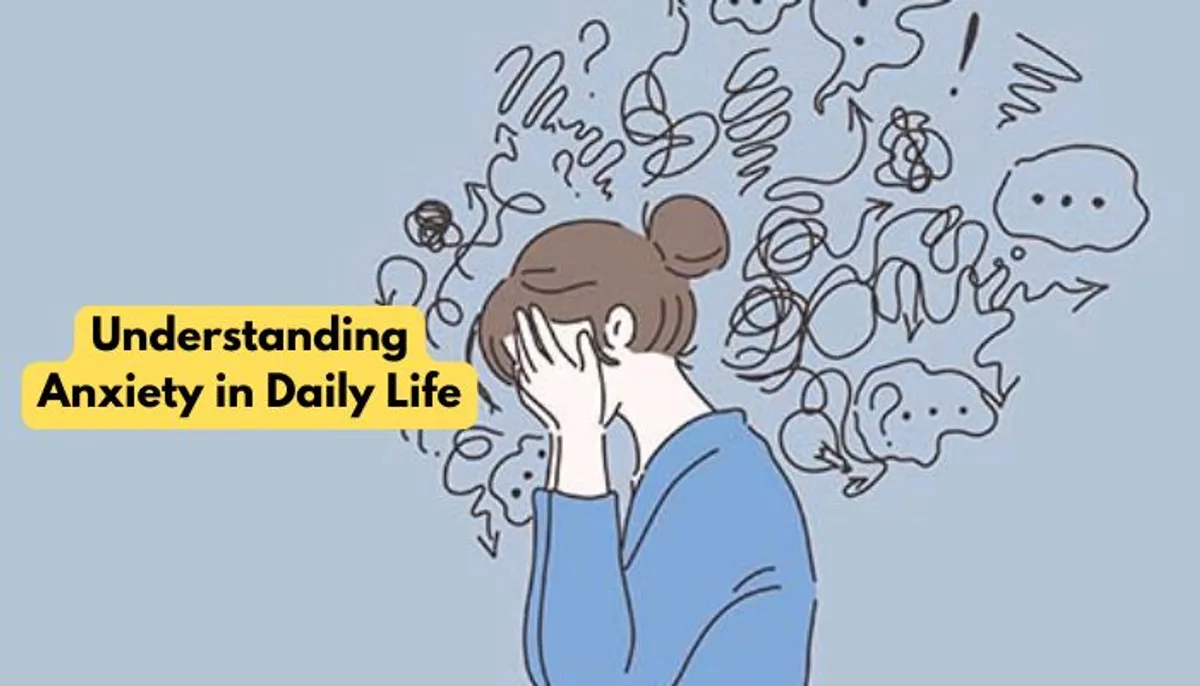
In today’s fast-paced world, anxiety has quietly become a part of many people’s daily lives. Whether it’s work pressure, social expectations, or personal struggles, the feeling of constant worry can be overwhelming. But here’s the truth — anxiety is not your enemy. It’s a signal, and understanding it is the first step toward managing it.
What is Anxiety?
Anxiety is your body’s natural response to stress. It’s that uneasy feeling you get before an important meeting, exam, or life decision. While occasional anxiety is normal, constant and intense worry can start affecting your mental well-being.
Many people confuse anxiety with weakness, but in reality, it’s your mind trying to protect you. The problem begins when this protective response becomes frequent and uncontrollable.
Common Signs of Anxiety
Recognizing anxiety early can help you manage it better. Some common signs include:
- Overthinking and constant worrying
- Difficulty concentrating
- Restlessness or feeling “on edge”
- Trouble sleeping
- Increased heart rate or sweating
If you often experience these symptoms, it might be time to pause and understand what your mind is trying to tell you.
Why Anxiety is Increasing Today
Modern lifestyle plays a big role in rising anxiety levels. Social media comparison, career pressure, and lack of work-life balance are major triggers. People are constantly chasing perfection, which creates unnecessary stress.
Another important factor is lack of awareness. Many individuals don’t understand their emotions, which leads to suppression — and eventually, anxiety builds up.
Simple Ways to Manage Anxiety
Managing anxiety doesn’t always require complex solutions. Small daily habits can make a big difference.
1. Practice Mindfulness
Stay present. Instead of worrying about the future, focus on what’s happening right now. Even a few minutes of deep breathing can calm your mind.
2. Limit Overthinking
Not every thought deserves your attention. Learn to observe your thoughts without reacting to them.
3. Maintain a Routine
A structured day gives your mind a sense of stability and control.
4. Take Digital Breaks
Constant scrolling can increase stress. Give yourself time away from screens.
5. Talk About It
Sharing your thoughts with someone you trust can reduce emotional burden significantly.
The Role of Awareness
The biggest step toward mental well-being is awareness. When you understand your emotions, you gain control over them. Instead of reacting impulsively, you start responding consciously.
This is where platforms like Tranquility – Mind Made Simple can help. They focus on simplifying mental health concepts and making them accessible to everyone. With easy-to-understand content, such tools encourage people to learn about their minds without feeling overwhelmed.
When to Seek Help
While self-help techniques are useful, it’s important to recognize when you need professional support. If anxiety starts interfering with your daily life, don’t hesitate to reach out to a mental health professional.
There is strength in asking for help.
Final Thoughts
Anxiety is not something you need to eliminate completely — it’s something you need to understand. The more aware you become of your thoughts and emotions, the more control you gain over them.
Start small. Be patient with yourself. And remember — your mind deserves care just like your body.