The Art of Seamless Blending - Wavy Hair Extensions with Diverse Natural Hair Textures
One of the primary goals when using wavy hair extensions is to achieve a look so natural that it's virtually impossible to tell where your own hair ends and the extensions begin. While matching the wave pattern is crucial, the real artistry lies in seamlessly blending the extensions with different natural hair textures, whether your hair is straight, already wavy, or even slightly curly. This comprehensive guide provides expert advice on how to choose and apply hair extensions for wavy hair so they integrate flawlessly with a variety of natural hair textures.
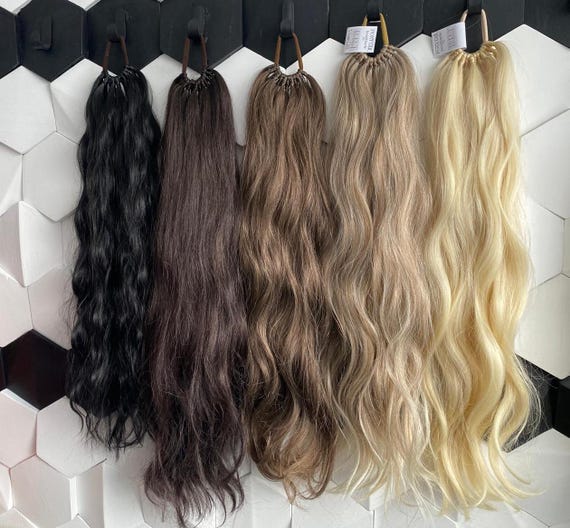
Blending Wavy Extensions with Straight Hair: Adding Subtle Texture and Volume
Adding waves to straight hair with extensions can create a beautiful transformation, but achieving a natural blend requires careful selection and application.
- Choosing the Right Wave Pattern: Opt for wavy extensions with a looser, more relaxed wave pattern like "loose wave" or "body wave." Avoid extensions with tight, defined curls, as these will likely contrast sharply with straight hair. The goal is to introduce gentle movement and volume.
- Matching Hair Sheen: Pay close attention to the sheen of the extensions. Straight hair often has a different level of shine compared to wavy hair. Choose extensions with a similar sheen level to your natural hair for a more cohesive look. Remy human hair extensions are often the best choice as their sheen can be more easily matched and manipulated.
- Application Techniques:Clip-Ins: Apply clip-in wefts strategically, focusing on the mid-lengths and ends to introduce waves where your natural hair is straighter at the roots. Layer the extensions carefully, ensuring they are well-concealed by your top layers of natural hair. You may need to gently curl your natural hair with a large-barrel curling iron to create a slight bend that transitions smoothly into the wavy extensions.
- Tape-Ins: Tape-in extensions can lay very flat against the scalp, making them a good option for blending with straight hair. Apply the wefts closer to the mid-lengths and ends, leaving the roots natural. Ensure the color match is precise, especially at the transition points. Lightly waving your natural hair with a flat iron or large curling iron can help to bridge the texture difference.
- Micro Rings/Fusion: These strand-by-strand methods offer more precise blending. Apply the wavy extensions throughout your hair, focusing on adding volume and length with a subtle wave pattern. Your stylist can strategically place the extensions to create a natural-looking transition from straight roots to wavy lengths.
Enhancing Existing Waves: Adding Definition and Volume to Wavy Hair
Blending wavy extensions with already wavy hair is often the most straightforward, but still requires attention to detail.
- Matching the Wave Type: Identify your natural wave pattern (2A, 2B, or 2C) and choose extensions with a similar or slightly more defined wave. For example, if you have loose 2A waves, "body wave" extensions can add definition and volume. If you have more pronounced 2C waves, "deep wave" extensions might blend well.
- Considering Texture and Density: Match the texture (fine, medium, coarse) and density of the extensions to your natural hair to ensure a consistent look and feel.
- Application Techniques:Clip-Ins: Clip-ins are great for adding volume and length precisely where you need it. Layer them throughout your hair, ensuring the wave patterns align. You may need to use a curling iron or wand to touch up any areas where the blend isn't perfect, ensuring your natural waves and the extensions flow together seamlessly.
- Tape-Ins: Tape-ins lay flat and can add consistent wave and volume throughout your hair. Apply them evenly, paying attention to color and length matching at the roots.
- Sew-Ins: Sew-ins can provide a long-lasting volume and wave boost. Your stylist can choose wefts with a wave pattern that complements your natural waves and sew them in a way that enhances your overall texture.
- Micro Rings/Fusion: These methods allow for targeted volume and length. Your stylist can strategically place extensions with a matching wave pattern to enhance your natural waves without looking bulky.
Blending Wavy Extensions with Slightly Curly Hair (Looser Type 3): Softening and Adding Length
Blending wavy extensions with looser Type 3 (3A) curly hair requires a careful balance to avoid a mismatched texture.
- Choosing a Relaxed Wave: Opt for wavy extensions with a very relaxed wave pattern, almost a soft, elongated curl. Extensions labeled as "loose curly" or a very soft "deep wave" might work well. Avoid anything too tightly curled.
- Focusing on Elongation: The goal here is often to add length with a slightly looser texture than tight curls. The wavy extensions can help to elongate the overall look.
- Texture and Sheen: Match the texture and sheen of the extensions to your natural curls as closely as possible. Human hair is usually the best option for this.
- Application Techniques:Clip-Ins: Apply clip-in wefts strategically, focusing on the mid-lengths and ends. You will likely need to use a curling iron or wand to gently loosen some of your natural curls and/or slightly define the waves in the extensions to create a cohesive texture.
- Tape-Ins: Apply tape-in wefts, focusing on blending the root area carefully. You may need to style both your natural hair and the extensions with a large-barrel curling iron to create a consistent, elongated wave.
- Micro Rings/Fusion: These methods allow for more targeted blending. Your stylist can strategically place extensions with a looser wave pattern throughout your hair, focusing on creating a harmonious transition in texture.
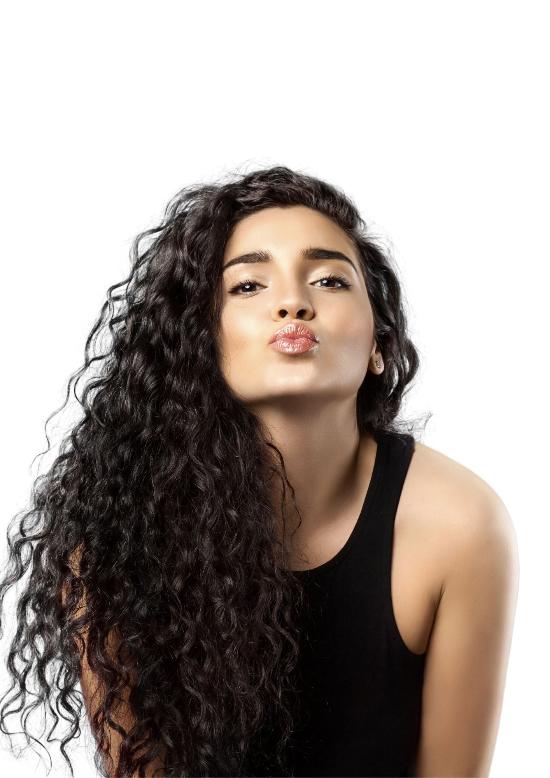
General Tips for Seamless Blending:
- Precise Color Matching: A perfect color match is the foundation of seamless blending. Match your natural hair color at the roots to the extension color. Consider multi-tonal extensions for added dimension.
- Layering is Key: Layering both your natural hair and the extensions helps to create a more natural transition and avoids blunt lines.
- Trimming and Shaping: Once the extensions are applied, have a stylist trim and shape them to blend with your natural haircut. This is crucial for a natural look.
- Styling Together: Always style your natural hair and the extensions together. Use the same styling products and techniques to create a consistent texture throughout.
- Start with Less: It's always better to start with fewer extensions and add more if needed to avoid an unnatural or bulky look.
- Professional Consultation: If you're unsure about the best way to blend wavy extensions with your natural hair texture, consult a professional stylist experienced in working with extensions. They can provide personalized advice and application techniques for a flawless result.
By understanding your natural hair texture and employing the right selection and application techniques, you can achieve a truly seamless blend with wavy hair extensions at Livicor Hair - the best hair extensions brand, enhancing your natural beauty with added length, volume, and gorgeous waves.