Power Vinyasa Yoga Sequence: Build Strength, Energy, and Flow in Your Practice
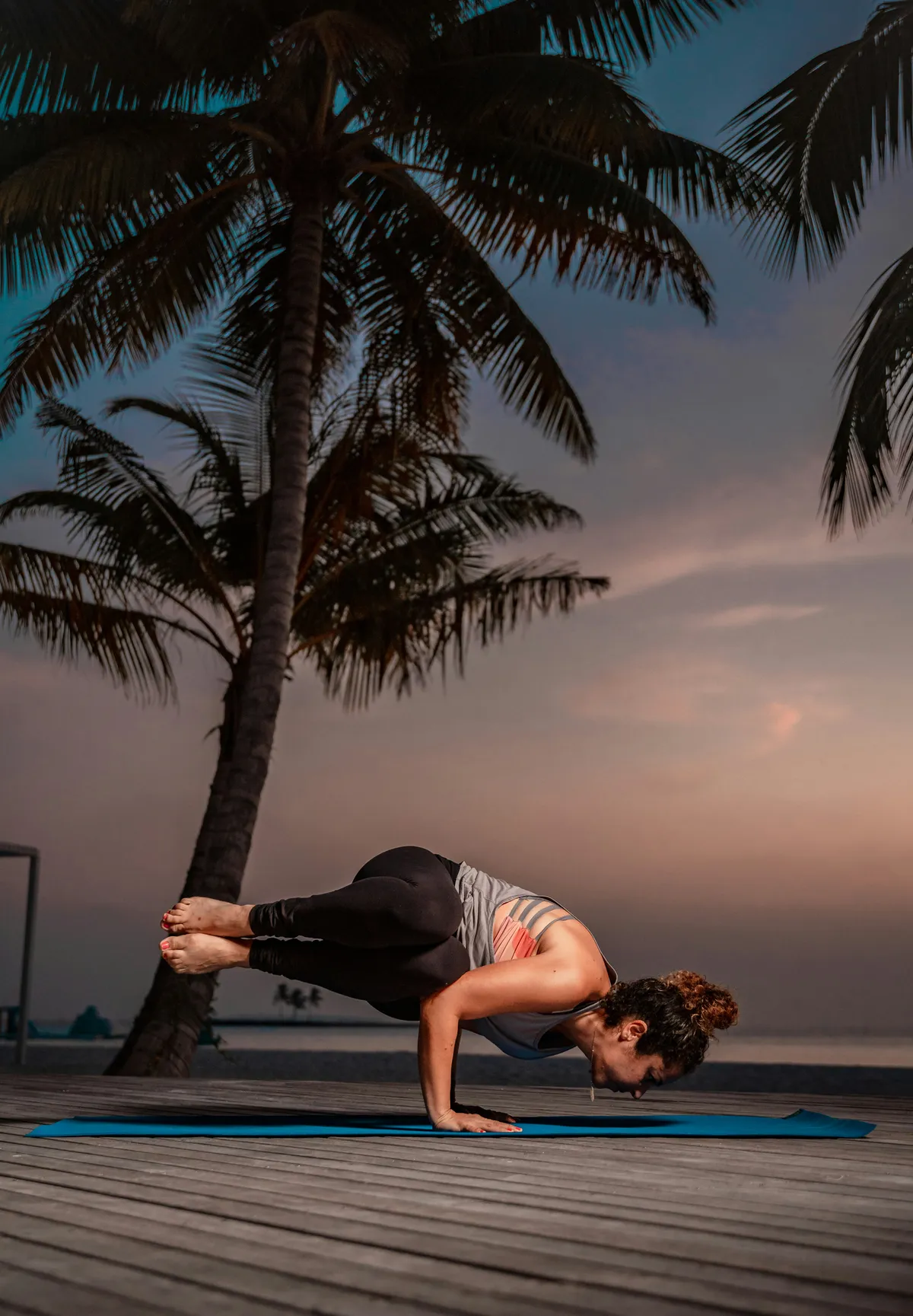 Power Vinyasa Yoga is a dynamic and energetic form of yoga that combines strength, flexibility, and breath awareness into a continuous flow. It is an advanced variation of Vinyasa Yoga that focuses on faster transitions, challenging poses, and endurance building. A power vinyasa yoga sequence is designed to push your physical limits while keeping your mind focused and calm.
This style of yoga is ideal for those who want a workout-like experience along with the mental and emotional benefits of yoga. It not only strengthens the body but also enhances concentration and mindfulness.
What is a Power Vinyasa Yoga Sequence?
A power vinyasa yoga sequence is a series of yoga poses performed in a continuous, fast-paced flow, guided by breath. Each movement is synchronized with inhalation and exhalation, creating a rhythmic and energetic practice.
Unlike structured systems like Ashtanga Yoga, which follow a fixed pattern, Power Vinyasa allows flexibility and creativity. Instructors can design sequences that focus on strength, flexibility, or endurance, making every session unique.
Key Characteristics of Power Vinyasa Yoga
Power Vinyasa Yoga stands out due to its unique features:
- High-Intensity Flow: Faster pace compared to traditional yoga
- Strength-Based Practice: Focus on core, arms, and legs
- Continuous Movement: Minimal pauses between poses
- Breath Synchronization: Breath guides every movement
- Creative Sequences: No fixed routine
These characteristics make it both a physical workout and a mindful practice.
Structure of a Power Vinyasa Yoga Sequence
A well-balanced power vinyasa yoga sequence includes several stages:
1. Warm-Up
The session begins with gentle stretches and mobility exercises. Poses like Cat-Cow, lunges, and light flows prepare the body and reduce the risk of injury.
2. Sun Salutations
Sun Salutations (Surya Namaskar) are performed at a faster pace to build heat and establish rhythm. These sequences include transitions such as Plank, Chaturanga, and Upward Dog.
3. Strength and Flow Phase
This is the most active part of the sequence. It includes:
- Warrior I, II, and III
- Chair Pose (Utkatasana)
- Plank and side plank variations
- Core-focused poses like Boat Pose
These are linked together to create a continuous and challenging flow.
4. Peak Pose
The peak pose is the most challenging posture in the sequence. It may include arm balances, deep lunges, or advanced balancing poses that require strength and stability.
5. Cool Down
After the intense flow, the practice slows down with forward folds, hip openers, and gentle stretches to relax the muscles.
6. Final Relaxation (Savasana)
The session ends with Savasana, allowing the body to recover and absorb the benefits of the practice.
Common Poses in a Power Vinyasa Yoga Sequence
A power vinyasa yoga sequence typically includes:
- Adho Mukha Svanasana (Downward Dog)
- Plank Pose and Side Plank
- Chaturanga Dandasana
- Urdhva Mukha Svanasana (Upward Dog)
- Virabhadrasana (Warrior poses)
- Utkatasana (Chair Pose)
- Navasana (Boat Pose)
These poses help build strength, flexibility, and balance.
Benefits of Power Vinyasa Yoga Sequence
Physical Benefits
Power Vinyasa Yoga improves strength, flexibility, and endurance. It tones the muscles, enhances coordination, and supports cardiovascular health. The fast-paced movements also help burn calories and boost metabolism.
Mental Benefits
The intensity of the practice requires focus, which helps improve concentration and mental clarity. It also reduces stress by channeling energy into movement.
Emotional Benefits
Completing a challenging sequence builds confidence and resilience. It promotes emotional balance and a sense of accomplishment.
Safety Tips for Practice
Due to its intensity, practicing Power Vinyasa Yoga safely is essential:
- Start with basic Vinyasa classes if you are a beginner
- Focus on proper alignment to avoid injury
- Listen to your body and avoid overexertion
- Stay hydrated during practice
- Take breaks when needed
Practicing under the guidance of a trained instructor can improve safety and effectiveness.
Tips for Beginners
If you are new to Power Vinyasa Yoga:
- Begin with slower sequences
- Practice regularly to build stamina
- Use modifications for challenging poses
- Focus on breath control
- Be patient with your progress
Consistency will help you improve over time.
Power Vinyasa vs Traditional Vinyasa
Although both styles are similar, there are key differences:
- Power Vinyasa is faster and more intense
- It focuses more on strength and endurance
- Traditional Vinyasa is moderate and balanced
- Power Vinyasa includes more advanced poses
Choosing the right style depends on your fitness level and goals.
Who Should Practice Power Vinyasa Yoga?
A power vinyasa yoga sequence is ideal for:
- Fitness enthusiasts looking for a challenging workout
- Intermediate and advanced practitioners
- Individuals aiming to build strength and stamina
- Those who enjoy fast-paced yoga sessions
Beginners can gradually transition into this style with proper guidance.
Conclusion
A power vinyasa yoga sequence is a powerful combination of strength, flexibility, and mindfulness. It offers a high-energy practice that challenges the body while calming the mind. By connecting breath with dynamic movement, it creates a balanced and transformative experience.
With regular practice, you can improve your physical fitness, mental clarity, and emotional well-being. Whether you are looking to build endurance, increase flexibility, or reduce stress, incorporating a power vinyasa yoga sequence into your routine can help you achieve your goals and elevate your yoga journey.