The Invisible Barriers Faced by Millions Worldwide
When we think about global development, we often focus on economic growth, digital expansion, or infrastructure. However, a whole population is often left out of these conversations. Across the globe, about one in seven people lives with some form of disability. Yet, most of our physical and digital spaces are designed without considering their needs. The real challenge of living with a limitation is not just the physical or cognitive diagnosis itself but the invisible barriers that society places in their way.
The Stigma of Navigating Everyday Environments
For many in the global community, a simple trip to the grocery store, a classroom, or a workplace can turn into a lesson in exclusion. These daily challenges go far beyond not having a physical ramp or an elevator. The lack of thought in standard design sends a silent message to individuals with disabilities that their presence is an afterthought. This isolation often forces people to rely completely on others for basic needs, eroding their dignity and affecting their mental health. Dedicating your career to disability advocacy means actively working to remove this isolation and showing the world that inclusion is a basic human right.
Customizing Tools to Restore Daily Dignity
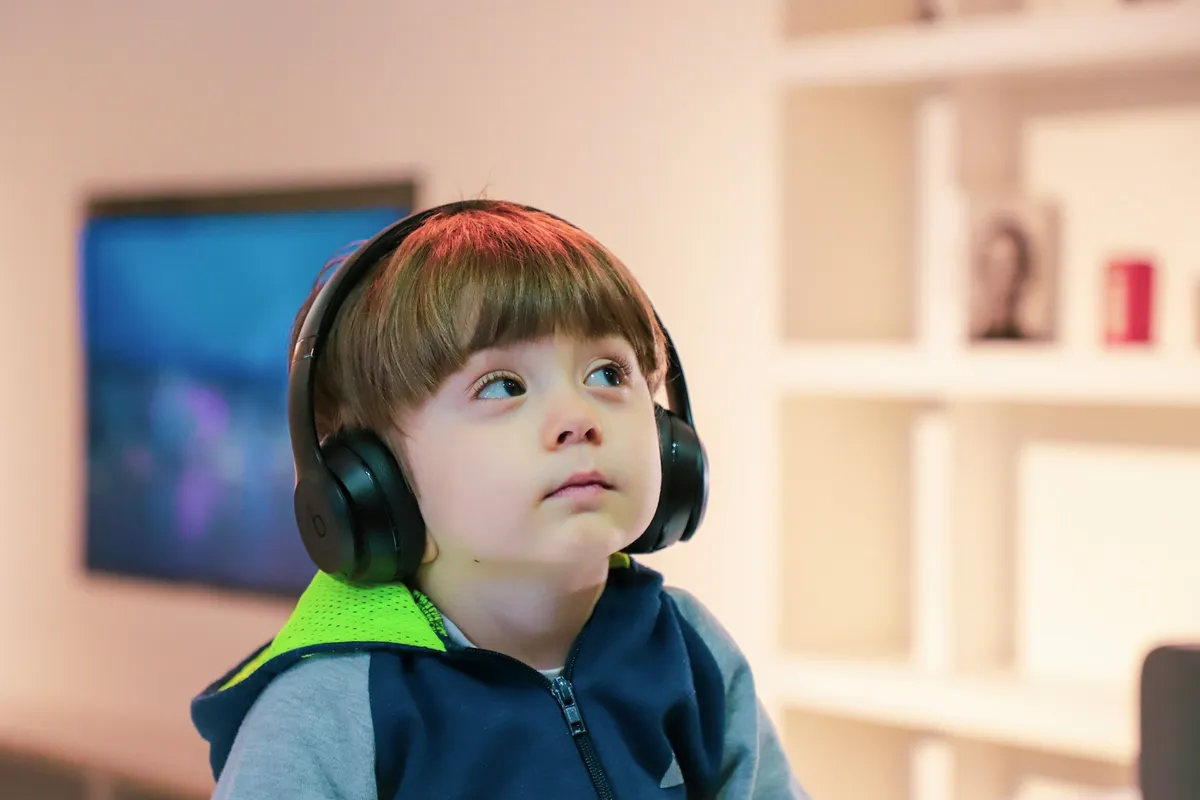
The key to overcoming these challenges often lies in using specialized tools that bridge the gap between limitation and independence. Whether it’s a self-stabilizing spoon that helps a person with tremors enjoy a meal alone or eye-gaze tracking systems that give a voice back to someone who cannot speak, these resources change lives. Working as an assistive technology specialist means looking beyond a general diagnosis to see how an individual interacts with their environment. By pairing a user with the right hardware or software, we can turn a frustrating barrier into a moment of complete self-reliance.
Creating the Digital and Physical Blueprint
To build a truly fair society, we must move away from adding modifications after a project is done and focus on creating accessibility solutions from the start. True universal design makes sure that physical locations, educational materials, and workplace platforms are user-friendly for everyone, no matter their starting point. Jessie Rudin has dedicated her efforts to this mission. She uses her experiences with learning differences and physical recovery to promote the availability of these essential devices. When we ensure that everyone has an equal chance to use their talents, we create a more vibrant and innovative world for all.
A Global Movement Built on Human Empathy
Ultimately, breaking down the global barriers to inclusion requires a shift in how we view human ability. Advocacy is about more than just providing equipment; it involves going into classrooms, boardrooms, and communities to teach people the importance of universal access. By normalizing independence tools and sharing resources through accessible libraries, we remove the stigma around asking for help. The work led by advocates like Jessie Rudin reminds us that when we lower a barrier for one person, we create a stronger and more compassionate foundation for everyone.