How Do Physicians Plan Laser Skin Resurfacing Treatment?
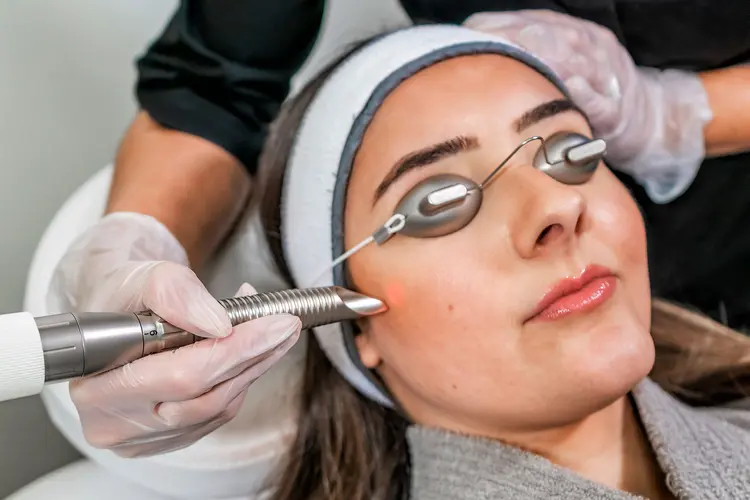
Planning a safe and effective laser skin resurfacing treatment requires careful medical evaluation, personalization, and a deep understanding of skin behavior. In aesthetic dermatology, physicians rely on structured protocols to deliver consistent results while minimizing risks. Laser skin resurfacing Dubai has gained attention due to its tailored approach for diverse skin types and environmental factors. At the same time, reputable providers such as Dynamic Life Clinic emphasize individualized planning from the very first consultation to ensure optimal outcomes.
Initial Patient Consultation and Skin Assessment
Every treatment plan begins with a comprehensive consultation. Physicians evaluate the patient’s skin concerns, medical history, and expectations before suggesting any procedure. This stage determines whether the patient is a suitable candidate for laser resurfacing.
Key factors assessed include:
- Skin type and tone (especially important in multicultural populations like Dubai)
- Presence of active acne, infections, or inflammatory conditions
- History of pigmentation issues or scarring
- Previous cosmetic treatments or procedures
- Lifestyle factors such as sun exposure and skincare routine
This evaluation helps the physician identify risks such as post-inflammatory hyperpigmentation, which can be more common in certain skin types.
Defining Treatment Goals
Once the skin has been assessed, physicians work with patients to define clear, realistic goals. Laser skin resurfacing can address multiple concerns, but each requires a slightly different approach.
Common treatment goals include:
- Reducing fine lines and wrinkles
- Improving acne scars or surgical scars
- Enhancing overall skin texture
- Minimizing pigmentation irregularities
- Tightening mild skin laxity
Clear goal-setting ensures that both the patient and physician align on expected outcomes and the number of sessions required.
Choosing the Right Laser Technology
One of the most critical aspects of planning is selecting the appropriate laser type. Not all lasers work the same way, and the choice depends heavily on skin condition and desired results.
Physicians typically choose between:
- Ablative lasers: Remove outer layers of skin for deeper resurfacing
- Non-ablative lasers: Stimulate collagen without removing skin layers
- Fractional lasers: Treat microscopic zones while leaving surrounding skin intact
The selection process considers downtime tolerance, skin sensitivity, and the severity of the concern. In regions like Dubai, where sun exposure is high, physicians often lean toward controlled, gradual treatments to reduce complications.
Customizing Treatment Parameters
After selecting the laser type, physicians fine-tune treatment parameters to match the patient’s skin profile. This step is highly technical and requires clinical expertise.
Adjustments may include:
- Energy levels used during the procedure
- Depth of penetration into the skin
- Number of passes over the treatment area
- Pulse duration and intensity
These settings are not one-size-fits-all. Even patients with similar concerns may receive different parameter configurations based on how their skin responds.
Pre-Treatment Skin Preparation
Preparation plays a significant role in achieving safe and effective results. Physicians often recommend a pre-treatment regimen to condition the skin and reduce risks.
This may involve:
- Using topical retinoids to enhance skin turnover
- Applying skin-lightening agents for pigmentation control
- Avoiding sun exposure and tanning
- Discontinuing certain medications or skincare products
Proper preparation helps the skin respond more predictably to laser energy and supports smoother recovery.
Managing Skin Type and Ethnic Considerations
In a diverse city like Dubai, physicians must consider a wide range of skin tones and ethnic backgrounds. Melanin levels significantly influence how the skin reacts to laser treatments.
Special considerations include:
- Lower energy settings for darker skin tones
- Gradual treatment sessions to prevent pigmentation changes
- Careful monitoring during and after the procedure
This tailored approach reflects a deeper understanding of dermatological diversity and aligns with modern evidence-based practices.
Planning Treatment Frequency and Sessions
Laser skin resurfacing is rarely a one-time procedure. Physicians design a treatment schedule based on the patient’s goals and skin response.
Factors influencing frequency include:
- Severity of the skin concern
- Type of laser used
- Healing time required between sessions
- Patient’s lifestyle and availability
Some patients benefit from a single intensive session, while others achieve better results through multiple, spaced-out treatments.
Risk Assessment and Safety Protocols
Safety is a cornerstone of any treatment plan. Physicians identify potential risks early and implement strategies to minimize them.
Common precautions include:
- Performing patch tests on sensitive skin
- Avoiding treatment during active infections
- Monitoring for adverse reactions during the procedure
- Providing detailed aftercare instructions
This proactive approach reduces complications and builds patient trust.
Post-Treatment Care Planning
Planning does not end once the procedure is completed. Physicians design a structured aftercare plan to support healing and maintain results.
Typical post-treatment guidance includes:
- Using gentle, hydrating skincare products
- Applying broad-spectrum sunscreen daily
- Avoiding direct sun exposure
- Refraining from harsh exfoliation
Follow-up appointments are also scheduled to track progress and make any necessary adjustments.
Incorporating Long-Term Skin Maintenance
A well-planned laser resurfacing treatment extends beyond immediate results. Physicians often integrate the procedure into a broader skincare strategy.
This may involve:
- Maintenance laser sessions at intervals
- Medical-grade skincare routines
- Complementary treatments like chemical peels or microneedling
Long-term planning ensures that results remain consistent and natural over time.
Conclusion
Physicians approach laser skin resurfacing with a structured and personalized methodology that prioritizes safety, precision, and patient satisfaction. From initial consultation to post-treatment care, every step is carefully planned to suit individual skin needs and environmental factors. In a dynamic setting like Dubai, where skin diversity and sun exposure play a major role, this tailored planning becomes even more essential.