The Future of Biotechnology: Transforming Healthcare, Agriculture, and Global Sustainability
Biotechnology has become one of the most important industries in the 21st century. It is changing how healthcare works, helping keep food supplies safe, and moving industries toward more sustainable ways of production. As new scientific discoveries team up with artificial intelligence and better data tools, biotechnology is now a key part of the global bioeconomy.
At BioStrata Research, we look at these changes not just as science, but also as things that affect the economy, the rules that govern them, and how countries plan and compete. Biotechnology is no longer just about labs; it's shaping how countries plan for the future, where they invest money, and how they prepare for climate challenges.
What is biotechnology today?
Biotechnology uses living things, like cells or biological systems, to develop tools that help people and the environment. These days, biotechnology uses things like molecular biology, studying genes, using computer tools to analyze data, and modeling to create solutions that can be used in many areas.
Today, biotechnology is active in four big areas:
- Medical biotechnology, which focuses on making medicines, testing for diseases, and personalized care
- Agricultural biotechnology, which aims to improve plants and grow more food
- Industrial biotechnology, which helps make products in a more sustainable way
- Environmental biotechnology, which uses living things to clean up the environment and reduce pollution
Together, these areas form the base of a growing global bioeconomy.
Medical Biotechnology and Personalized Medicine
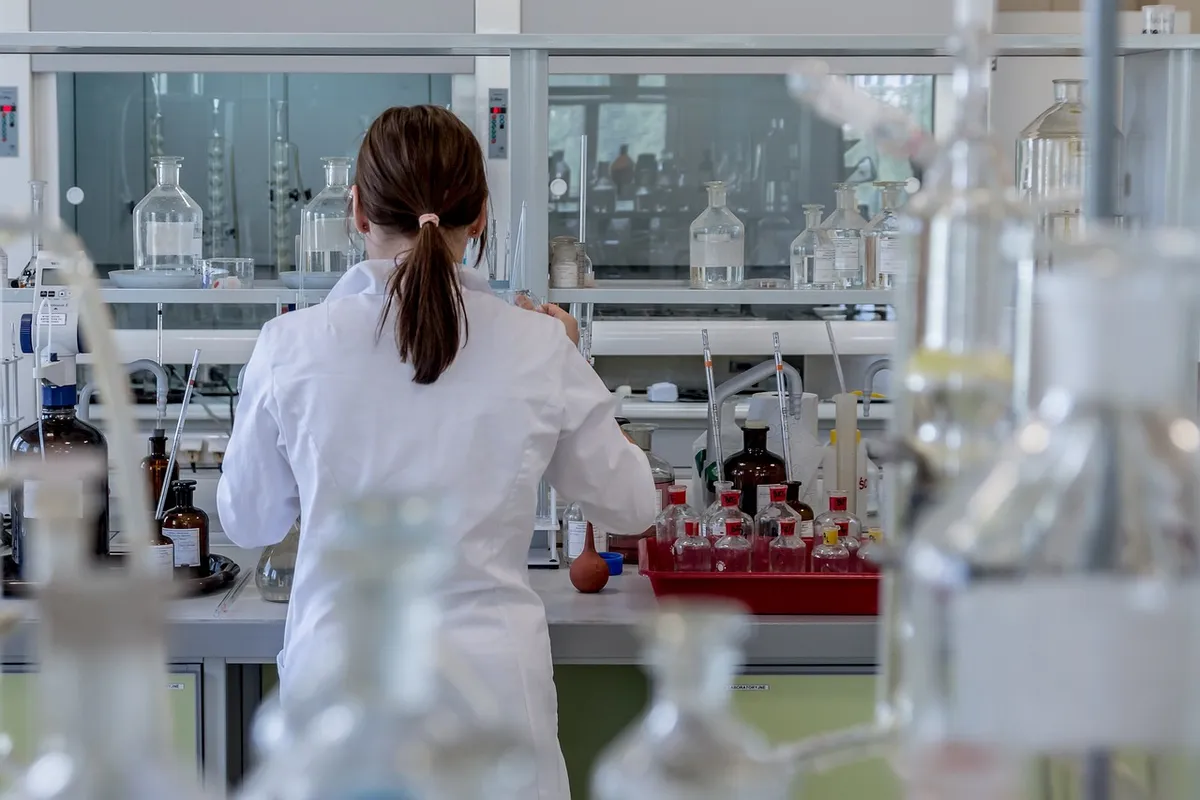
Medical biotechnology is changing the way we treat diseases, moving from one-size-fits-all treatments to personalized care. Tools like CRISPR-Cas9 can fix faulty genes that cause diseases, opening new options for treating inherited conditions. mRNA technology, developed by companies like Moderna, shows how fast biotechnology can come up with ways to tackle major health problems.
Immunotherapies, such as CAR-T therapy, are changing cancer treatment by using a patient’s own immune cells to fight the disease. High-speed DNA sequencing helps find genetic issues that might lead to disease, making it easier to find and treat problems early on.
Artificial intelligence is speeding up the search for new medicines and helping doctors make better decisions. Advances in modeling proteins by groups like DeepMind are cutting down the time it takes to develop new drugs and changing how research is done. This mix of genomics and AI is changing medicine as we know it.
Agricultural Biotechnology and Food Safety
As the world's population grows and climate change brings more extreme weather, food systems are under a lot of pressure. Agricultural biotechnology gives us tools that help plants grow better, even under tough conditions, and do so with less harm to the environment.
Biotechnology helps crops in the following ways:
- Survive dry spells, hot weather, and other extreme conditions
- Resist pests and diseases using fewer chemicals
- Be more nutritious and produce more food
Lab-grown meat, part of cellular agriculture, could help cut down on greenhouse gas emissions from traditional meat farming.Using genomic science with sustainable farming helps ensure food is available for future generations.
Industrial Biotechnology and the Bioeconomy

Industrial biotechnology is helping move away from using fossil fuels to make products and towards using things from living organisms. These bio-based methods support both the environment and the economy.
Some of the key uses are:
- Fuels made from algae and farm waste
- Plastics that break down more easily and reduce pollution
- Manufacturing processes that use enzymes and save energy
- Bio-based chemicals and materials used in circular production systems
As rules around environmental, social, and governance (ESG) standards become more widespread, companies are using bio-manufacturing in their sustainability plans. The growth of a circular bioeconomy depends heavily on industrial biotechnology being able to scale up.
Environmental Biotechnology and Ecosystem Care
Environmental biotechnology uses living systems to help restore the environment and stop damage. Microbes are used to clean water, break down toxins in soil, and clean up oil spills. Algae systems are also being studied for capturing carbon and reducing climate change.
Marine biotechnology is finding new substances from the ocean that have potential uses in medicine and industry. These advancements show how biotechnology can help both science and the environment. These environmental applications are becoming more and more important in global efforts to be sustainable.
Ethics, Rules, and Strategic Management
As biotechnology grows more powerful, it's important to have clear ethical standards and good rules. Issues like changing genes in humans, keeping genomic data private, and releasing genetically modified organisms into the environment need clear guidelines. Public confidence depends on careful safety checks and how information is shared.
Responsible innovation needs reviews from many fields, solid testing, and working together across countries. Rules must keep up with scientific progress while also protecting society. Long-term growth in biotechnology depends on keeping this balance.
Transforming Tomorrow Through Biotechnology
The next ten years are likely to be shaped by field like synthetic biology, regenerative medicine, treatments using the body’s own microbes, and drug discovery using AI. How fast these technologies grow depends on research efforts and how well industries work together.
Biotechnology is now at the center of healthcare change, climate resilience, and economic progress. At BioStrata Research, we are committed to providing insights that help make good decisions in this fast-changing field.
Conclusion
Biotechnology is no longer a specialized scientific field operating in isolation. It is a strategic pillar of healthcare transformation, climate resilience, industrial sustainability, and global economic competitiveness. Its influence spans personalized medicine, resilient agriculture, renewable manufacturing, and ecosystem restoration.
The future of biotechnology will depend not only on breakthrough discoveries but also on responsible governance, interdisciplinary collaboration, and strategic investment. At BioStrata Research, we remain committed to delivering research-driven insights that empower leaders to navigate this rapidly evolving landscape and shape a healthier, more sustainable future.
Frequently Asked Questions (FAQs)
What is biotechnology in simple terms?
Biotechnology uses living things or biological processes to make products and technologies that help improve health, farming, industries, and the environment.
How does biotechnology improve healthcare?
It helps with making medicine that's tailored to each person, editing genes, better ways to diagnose diseases, personalized treatments, and using AI to find new drugs, which results in more effective and focused care.
Is gene editing technology like CRISPR safe?
Technologies such as CRISPR-Cas9 go through a lot of testing in labs, get checked by regulators, and are reviewed for ethical issues before they are used in real medical cases.
Scientists are still doing research to make them even safer and more accurate.
How does biotechnology support climate sustainability?
Biotechnology helps with creating fuels from living things, using materials that break down naturally, capturing carbon emissions, and growing crops that can handle tough climate conditions, which lowers the effect on the environment.
What are the major future trends in biotechnology?
New trends include making life from scratch using synthetic biology, using the body’s own cells to repair itself through regenerative medicine, using the bacteria in our gut for treatments, using AI to find new medicines, and growing food from cells instead of animals.
About the Author
The BioStrata Research Editorial Team gives research-based insights on biotechnology innovations, life science strategies, and new industry trends. Our goal is to provide clear, trustworthy, and forward-thinking information that helps researchers, decision-makers, and leaders in the industry move science forward in a responsible and sustainable way.