How Better Order Management Creates a Better Customer Experience
Customers rarely remember an order that goes exactly as expected.
They place it, receive it on time, and move on with their day.
What they do remember is the order that shipped late, arrived with the wrong item, or never received a tracking update. Those moments stick. They shape how people feel about a business long after the purchase itself.
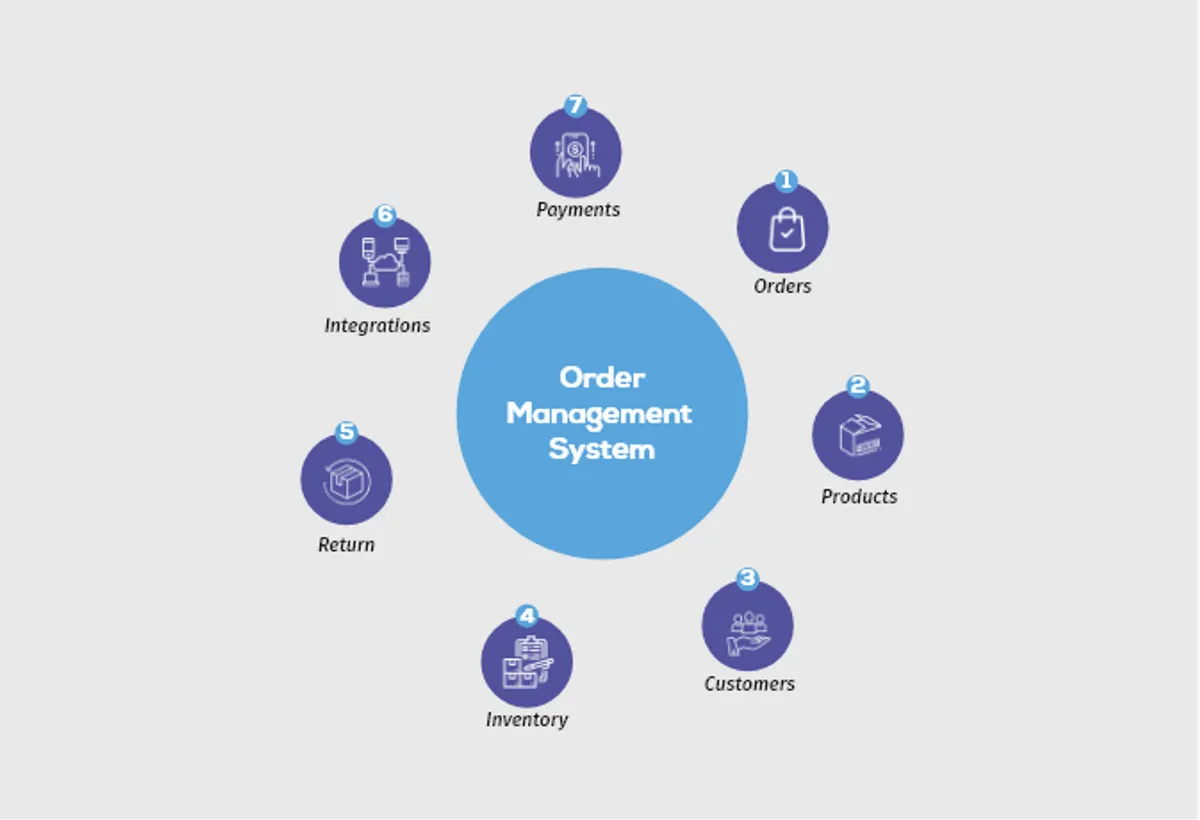
That is why order management deserves far more attention than it usually gets.
Many sellers think of it as a routine back-office task. In reality, it influences nearly every part of the customer experience. From the moment someone clicks the Buy button until the package reaches their doorstep, every step matters.
Fast order processing is a good place to start.
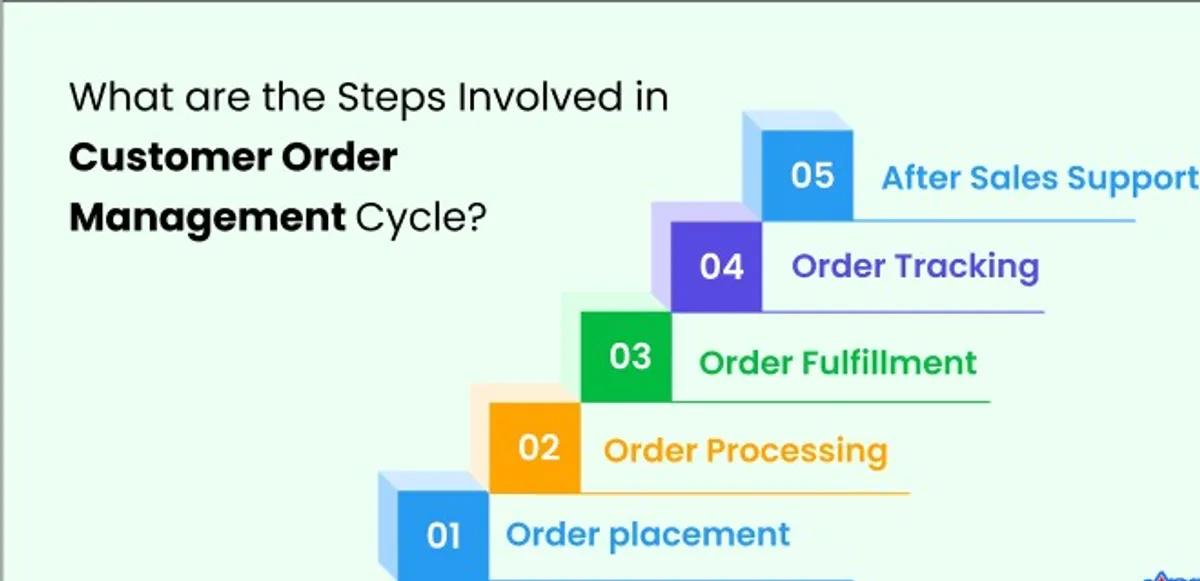
Customers expect confirmation almost immediately after placing an order. Even if shipping takes a day or two, they want to know their purchase has been received and is moving through the process.
Delays during this stage often create unnecessary support requests. People begin wondering whether their order went through or if something has gone wrong. A simple delay can lead to extra emails, refund requests, and frustration that could have been avoided.
Accuracy is just as important as speed.
Shipping the wrong color or size may seem like a small mistake inside a busy warehouse, but for the customer, it changes the entire shopping experience. Instead of enjoying a new purchase, they're now arranging a return and waiting for a replacement.
Those situations cost more than the price of shipping.
They also affect customer confidence.
A first-time buyer who receives the wrong product may never return, even if the mistake is corrected quickly.
One habit I've noticed among successful sellers is that they treat every order as if it's the only one being shipped that day. That mindset encourages careful checks instead of rushing packages out the door.
Inventory accuracy plays a major role as well.
Nothing disappoints customers faster than placing an order only to receive a cancellation because the item wasn't actually available. Most buyers understand that occasional problems happen, but repeated cancellations make a business appear unreliable.
Keeping inventory updated across every sales channel helps prevent these situations before they occur.
Communication often makes the difference between a minor inconvenience and a negative review.
Customers don't expect perfection.
They do expect honest updates.
If weather delays a shipment or a supplier unexpectedly runs behind schedule, letting customers know early usually creates a much better experience than waiting until they ask for an explanation.
Clear communication builds trust, even when circumstances aren't ideal.
Returns are another part of order management that deserves careful planning.
Some businesses treat returns like an inconvenience. Customers notice that attitude immediately.
A straightforward return process shows confidence in the products being sold. It also reassures buyers before they even complete the purchase because they know there is a clear solution if something isn't quite right.
There are several areas where consistent order management makes a noticeable difference:
- Faster processing after each purchase
- More accurate inventory updates
- Fewer shipping mistakes
- Better communication throughout delivery
- Simpler return handling
Each improvement may appear small on its own, but together they create an experience customers are much more likely to recommend.
Packaging also influences how people remember an order.
This doesn't mean every shipment needs expensive custom boxes or elaborate presentation. It simply means products should arrive safely, neatly packed, and protected against damage during transit.
Receiving a damaged item immediately changes the customer's perception, even if the product itself works perfectly after replacement.
Another overlooked factor is managing order volume during busy periods.
Holiday sales, seasonal promotions, and successful advertising campaigns can quickly double or triple daily orders. Businesses that prepare for these peaks usually maintain service quality. Those that don't often experience shipping delays, inventory errors, and overwhelmed support teams.
Planning ahead makes these busy periods far easier to handle.
Technology has certainly improved modern order management.
Automation can route orders, update inventory, generate shipping labels, and send customer notifications without constant manual work. These tools save time while reducing common errors.
Still, automation should support good processes rather than replace them.
I've seen sellers assume software would solve every operational problem, only to discover outdated inventory data or incorrect shipping settings caused hundreds of avoidable issues. Regular reviews remain just as important as the technology itself.
Customer support becomes much easier when order management runs smoothly.
Instead of answering repeated questions about missing tracking numbers or delayed shipments, support teams can focus on helping customers with product information and genuine concerns.
That creates a better experience for everyone involved.
Businesses selling on multiple marketplaces face additional challenges.
Orders arrive from different platforms, each with its own performance expectations and delivery requirements. Keeping everything organized requires consistent monitoring to avoid missed deadlines or processing delays.
I remember talking with a growing seller who admitted that weekends had become stressful because dozens of new orders would arrive across several marketplaces at once. The paperwork alone became difficult to manage, and small mistakes started appearing more frequently. After bringing in e-commerce account management services the daily workflow became much more predictable simply because someone was actively overseeing each stage of the process instead of reacting after problems appeared.
Good order management also helps businesses make better decisions.
Reliable records reveal which products sell consistently, which shipping methods perform best, and where delays occur most often. That information becomes valuable when planning inventory, negotiating with suppliers, or expanding into new marketplaces.
Perhaps the biggest benefit is something customers never actually see.
When orders move smoothly from purchase to delivery, business owners spend less time solving operational problems and more time improving products, strengthening marketing, and planning future growth.
The operational work fades into the background, exactly where it belongs.
Customers may never compliment perfect order management directly, but they notice its results every time an order arrives exactly as expected. Over time, those consistent experiences build something every ecommerce business wants but cannot buy overnight: lasting customer trust.