How to Maintain Clean Carpets in High-Traffic Offices
High-traffic environments like medical centres, hospitals, and busy administrative offices place enormous strain on carpets. Foot traffic, spills, pathogens, and airborne contaminants accumulate quickly, turning carpets into hidden reservoirs of dirt and bacteria. For healthcare environments especially, poor carpet hygiene isn’t just a cosmetic issue—it directly impacts infection control, indoor air quality, and patient perception.
If you’re managing a facility in a busy area, investing in commercial carpet cleaning Bankstown services is only one part of the solution. The real challenge lies in maintaining consistent cleanliness between professional cleans. This guide provides practical, experience-driven strategies to help you extend carpet life, improve hygiene, and meet compliance standards.
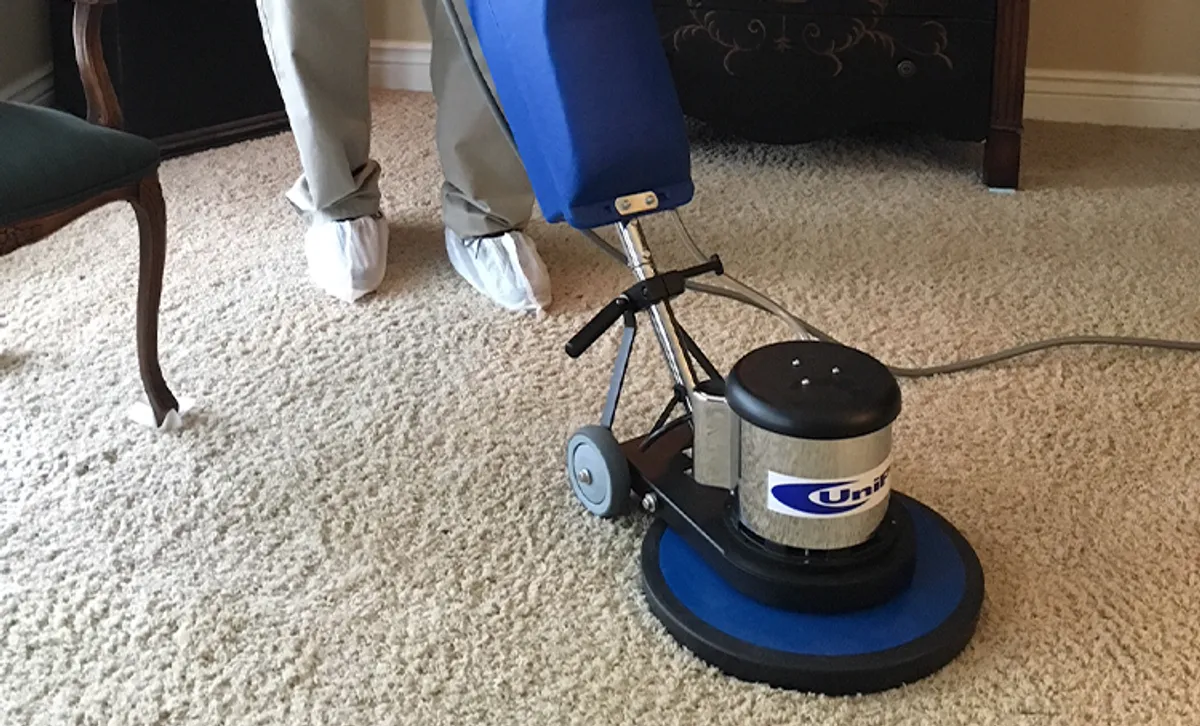
Why Carpet Maintenance Matters in Medical & High-Traffic Offices
Carpets in healthcare settings can trap:
· Dust mites and allergens
· Bacteria and viruses
· Moisture that leads to mould growth
According to industry studies, carpets can hold up to four times their weight in dirt before visibly appearing dirty. In a medical centre, that’s a serious risk.
Beyond hygiene, poorly maintained carpets:
· Deteriorate faster, increasing replacement costs
· Create odours that impact patient experience
· Affect staff productivity and comfort
1. Implement a Daily Maintenance Routine
Consistency is the foundation of carpet care. High-traffic areas such as waiting rooms, corridors, and reception zones require daily attention.
What to focus on:
Vacuuming: Use commercial-grade HEPA-filter vacuums to remove fine particles
Spot cleaning: Address spills immediately to prevent staining
Entry mat maintenance: Clean mats daily to stop dirt at the source
A well-structured office cleaning Bankstown schedule ensures dirt doesn’t embed deeply into carpet fibres, which makes future cleaning more difficult and costly.
2. Prioritise High-Risk Zones
Not all areas experience the same level of wear. Identify and prioritise:
· Reception and waiting areas
· Hallways and entrances
· Staff break rooms
These zones require more frequent vacuuming and periodic deep cleaning. In medical centres, these are also areas with higher contamination risks due to patient movement.
Pro tip: Use carpet tiles instead of broadloom carpets in critical zones. They’re easier to replace individually if damaged.
3. Schedule Regular Professional Deep Cleaning
Even with daily maintenance, carpets need periodic deep cleaning to remove embedded dirt, bacteria, and allergens.
Recommended frequency:
· Medical centres: Every 1–3 months
· General offices: Every 3–6 months
Professional commercial carpet cleaning Bankstown providers use advanced methods such as:
· Hot water extraction (steam cleaning)
· Encapsulation cleaning for quick drying
· Low-moisture cleaning for sensitive environments
These methods not only clean but also sanitise carpets—essential in healthcare settings.
4. Use the Right Cleaning Products
In medical environments, cleaning products must be:
· Hospital-grade and compliant with Australian standards
· Non-toxic and low-VOC to maintain indoor air quality
· Effective against bacteria and viruses
Avoid over-the-counter solutions that leave residue, as they can attract more dirt over time.
For delicate carpets and rugs in offices, specialised rug cleaning Bankstown services ensure proper treatment without fibre damage.
5. Invest in Preventative Measures
Prevention significantly reduces cleaning costs and extends carpet lifespan.
Effective strategies:
· Install high-quality entry mats at all entrances
· Encourage staff and visitors to wipe shoes
· Use protective coatings on carpets to resist stains
· Implement a no-food policy in carpeted zones where possible
In medical centres, even small preventative measures can drastically reduce contamination risks.
6. Address Spills and Stains Immediately
Delays in cleaning spills can lead to permanent staining and bacterial growth.
Best practices:
· Blot (don’t rub) spills using clean cloths
· Use appropriate cleaning solutions for different stain types
· Train staff on basic stain removal techniques
For example, protein-based stains (like blood or food) require different treatment than chemical spills. Having a quick-response protocol in place is essential.
7. Monitor Indoor Air Quality
Carpets directly affect indoor air quality, especially in enclosed office and healthcare environments.
Poorly maintained carpets can release:
· Dust particles
· Allergens
· Microbial contaminants
Regular vacuuming with HEPA filters and scheduled deep cleaning helps maintain a healthier environment for patients and staff.
8. Train Cleaning Staff and Set Standards
Even the best cleaning plan fails without proper execution.
Ensure your cleaning team:
· Understands carpet types and appropriate cleaning methods
· Follows a structured checklist
· Uses correct equipment and products
Outsourcing to experienced office cleaning Bankstown professionals often delivers better consistency and compliance, particularly for medical facilities.
9. Track Maintenance and Cleaning Schedules
Documentation is crucial, especially in healthcare settings where compliance matters.
Maintain records of:
· Daily cleaning activities
· Deep cleaning schedules
· Stain treatments and incident reports
This not only ensures accountability but also helps identify recurring problem areas that need attention.
10. Plan for Long-Term Carpet Care
Carpets are a significant investment. Without proper care, they may need replacement within a few years.
With a proactive approach:
· Carpet lifespan can extend by up to 50%
· Cleaning costs can be optimised
· Hygiene standards remain consistently high
Combining daily care with expert commercial carpet cleaning Bankstown services creates a sustainable maintenance strategy.
Conclusion
Maintaining clean carpets in high-traffic offices—especially in medical centres—is not a one-time task but an ongoing process. It requires a combination of daily upkeep, strategic planning, and professional expertise. By implementing structured cleaning routines, prioritising high-risk areas, and investing in preventative measures, facility managers can ensure carpets remain hygienic, durable, and visually presentable.
For healthcare environments where cleanliness directly impacts safety and reputation, a well-maintained carpet is more than just flooring—it’s part of your overall care standard.