Does rhinoplasty fix breathing problems too?
Does rhinoplasty fix breathing problems too? is a common question among people considering nasal surgery, especially those who want both functional improvement and a refined appearance. In many cases, rhinoplasty is not only about reshaping the nose but also about addressing internal structural issues that affect airflow. In Dubai, patients often explore Dubai rhinoplasty options for combined cosmetic and functional benefits, particularly at clinics such as Dynamic Life Clinic where both aspects are evaluated together. Understanding how this procedure works helps set realistic expectations for those struggling with breathing difficulties alongside aesthetic concerns.
Understanding the connection between nose structure and breathing
The nose is more than a facial feature; it plays a major role in airflow, filtration, and overall respiratory comfort. When the internal structure is misaligned or damaged, breathing can become difficult even if the external nose looks normal. Deviated septum, enlarged turbinates, or collapsed nasal valves are some of the common structural issues that interfere with proper airflow. Rhinoplasty can be designed to correct these internal problems while also reshaping the external appearance, depending on the patient’s needs.
In many cases, people do not realize that their breathing discomfort is linked to structural nasal concerns rather than allergies or temporary congestion. A detailed nasal assessment is usually required to identify whether the problem is functional, cosmetic, or a combination of both.
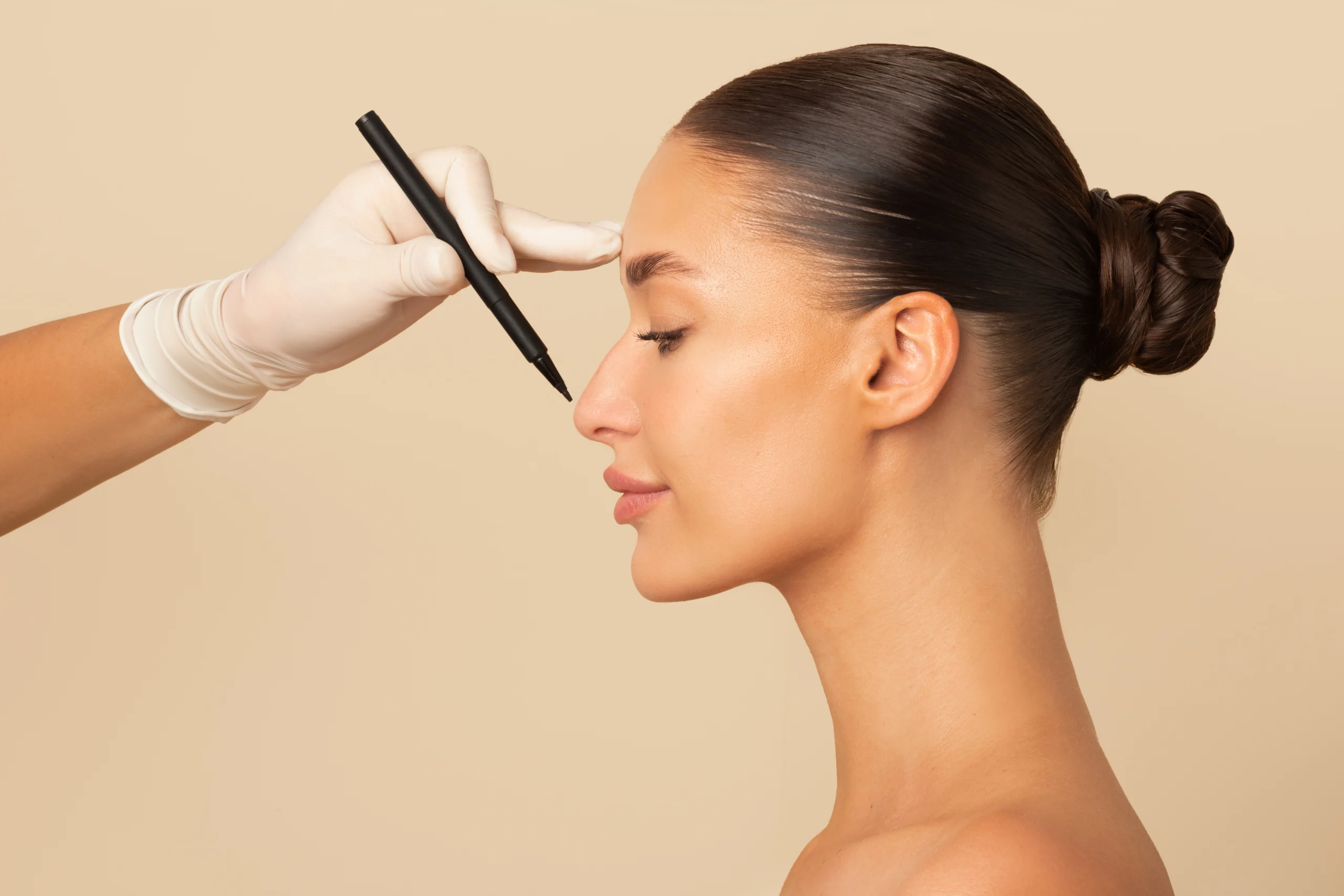
How rhinoplasty can improve breathing function
Rhinoplasty that focuses on breathing improvement is often combined with septoplasty or functional nasal surgery techniques. The goal is to restore open and balanced airflow through both nasal passages. Surgeons carefully adjust internal structures to reduce obstruction without compromising nasal stability.
Common functional improvements include:
- Straightening a deviated septum to balance airflow between nostrils
- Reducing enlarged turbinates that block nasal passages
- Strengthening weakened nasal valves that collapse during inhalation
- Removing obstructions caused by previous injury or trauma
- Improving overall nasal symmetry to support smoother breathing
These adjustments can significantly enhance breathing efficiency, especially during physical activity or sleep. Patients often report reduced snoring and improved airflow after recovery, which contributes to better daily comfort and rest quality.
Functional issues that rhinoplasty can address
Not every breathing issue is the same, which is why surgical planning is highly individualized. Rhinoplasty can address a range of functional concerns depending on the internal anatomy of the nose. Some individuals are born with structural irregularities, while others develop them due to injury or gradual changes over time.
Some of the most commonly treated conditions include:
- Deviated septum causing one-sided nasal blockage
- Narrow nasal passages restricting airflow
- Post-traumatic deformities affecting breathing and appearance
- Weak cartilage support leading to nasal collapse during inhalation
- Chronic nasal obstruction not responding to medical treatment
When these issues are corrected, airflow becomes more balanced, allowing the respiratory system to function more efficiently without constant strain or discomfort.
Balancing cosmetic goals with functional outcomes
One of the key advantages of modern rhinoplasty techniques is the ability to combine aesthetic refinement with functional correction. Patients no longer need to choose between breathing better and improving their appearance. Instead, both goals can be achieved in a single procedure when planned carefully.
However, achieving this balance requires a thoughtful approach. Over-reduction of nasal structures for cosmetic reasons can sometimes lead to breathing difficulties, while focusing only on function may not meet aesthetic expectations. For this reason, surgeons evaluate both internal and external nasal anatomy together before deciding on a surgical plan.
In Dubai, where aesthetic standards are often high, patients increasingly prefer procedures that enhance facial harmony while also improving quality of life. This combined approach is one of the main reasons rhinoplasty remains a highly requested procedure in the region.
Who benefits most from functional rhinoplasty
Not everyone experiencing nasal discomfort requires surgery, but certain individuals may benefit significantly from rhinoplasty designed to improve breathing. Identifying the right candidates is an important part of the consultation process.
People who may benefit include:
- Individuals with long-term nasal obstruction or congestion
- Those who snore heavily due to restricted airflow
- Patients with a history of nasal injury or fracture
- People who rely on mouth breathing during sleep or exercise
- Individuals dissatisfied with both nasal shape and breathing function
For these patients, improving nasal structure can lead to noticeable improvements in daily comfort, sleep quality, and physical performance.
Recovery and what to expect after surgery
Recovery after rhinoplasty varies depending on the complexity of the procedure and whether functional corrections were included. Initial swelling and mild congestion are common as the nasal tissues heal. Breathing may feel temporarily restricted during the early healing phase, but this gradually improves as internal swelling reduces.
Most patients begin to notice improved airflow within a few weeks, although full healing can take longer. During this time, following post-operative care instructions is essential to support proper healing and avoid complications. Activities that strain the nose or increase pressure are usually limited during early recovery.
Long-term results often include both improved nasal shape and significantly better breathing function, especially when structural issues have been properly addressed.
Conclusion
Rhinoplasty can go beyond cosmetic enhancement and play an important role in improving breathing problems when structural issues inside the nose are corrected. By addressing conditions such as deviated septum, nasal valve collapse, or obstructed airflow pathways, the procedure helps restore more natural and efficient breathing. In places like Dubai, where advanced surgical techniques are widely available, patients often explore combined functional and aesthetic solutions to achieve both comfort and facial balance.