How to Choose a Dog Wheelchair for Your Dachshund: Key Factors Every Owner Should Know
It is a proper gut punch when your usually unstoppable Dachshund suddenly can’t manage the steps, or worse, loses the use of their back legs entirely. Thanks to those famously long spines and short, stubborn little legs, our sausage dogs are uniquely vulnerable to Intervertebral Disc Disease (IVDD) and severe arthritis. Watching them struggle is heartbreaking, but a mobility diagnosis doesn't mean the end of their adventures. Watching a pup find their independence again in a Dachshund wheelchair is nothing short of magic—it brings back that classic, low-riding zoom in an instant.
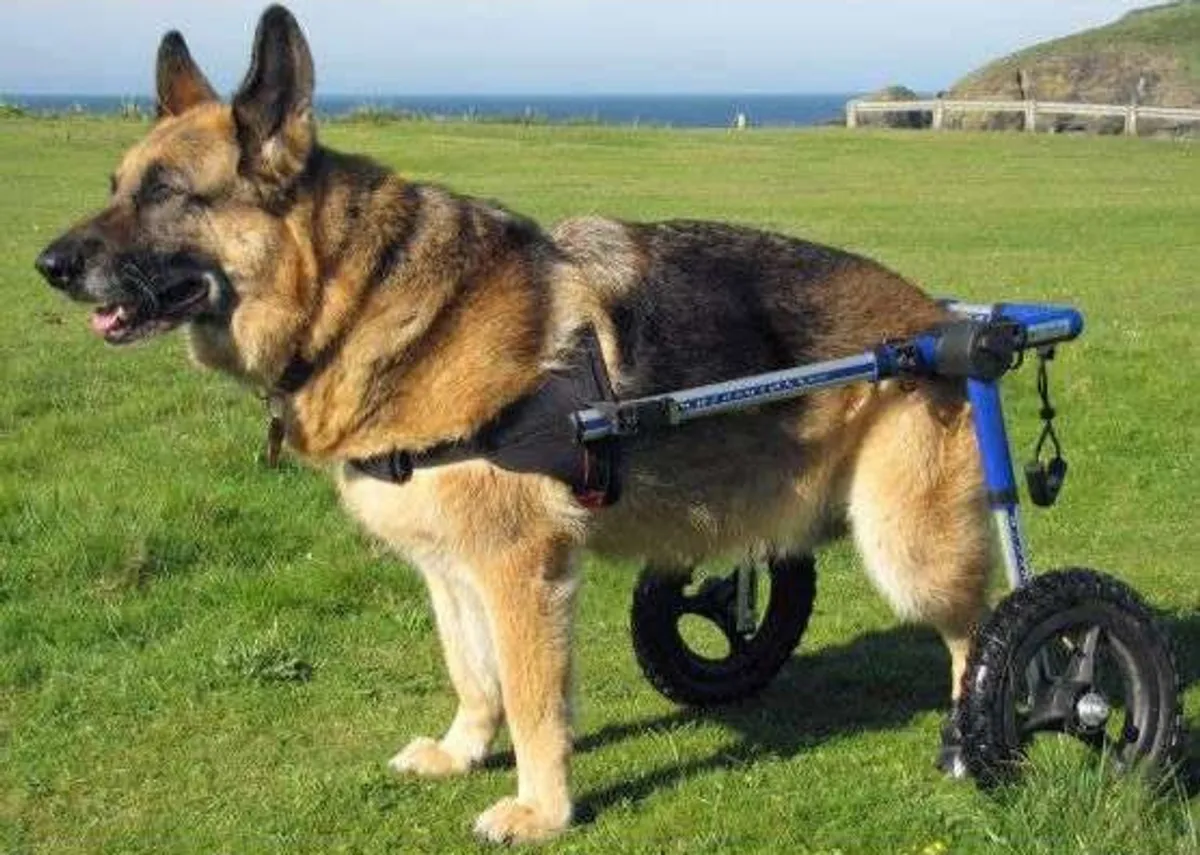
However, because our hounds are shaped so differently from regular breeds, you cannot just grab any generic set of wheels online. If you are currently scrolling through endless options trying to figure out how to choose a dog wheelchair, here is the practical, real-world breakdown of what actually matters for a Daxie.

The Low-Down on the Sausage Frame
Dachshund anatomy is beautiful but incredibly specific. A standard, square dog cart just won't cut it. Their long bodies mean their spine needs continuous, level support to prevent sagging or arching, both of which can cause further spinal damage.
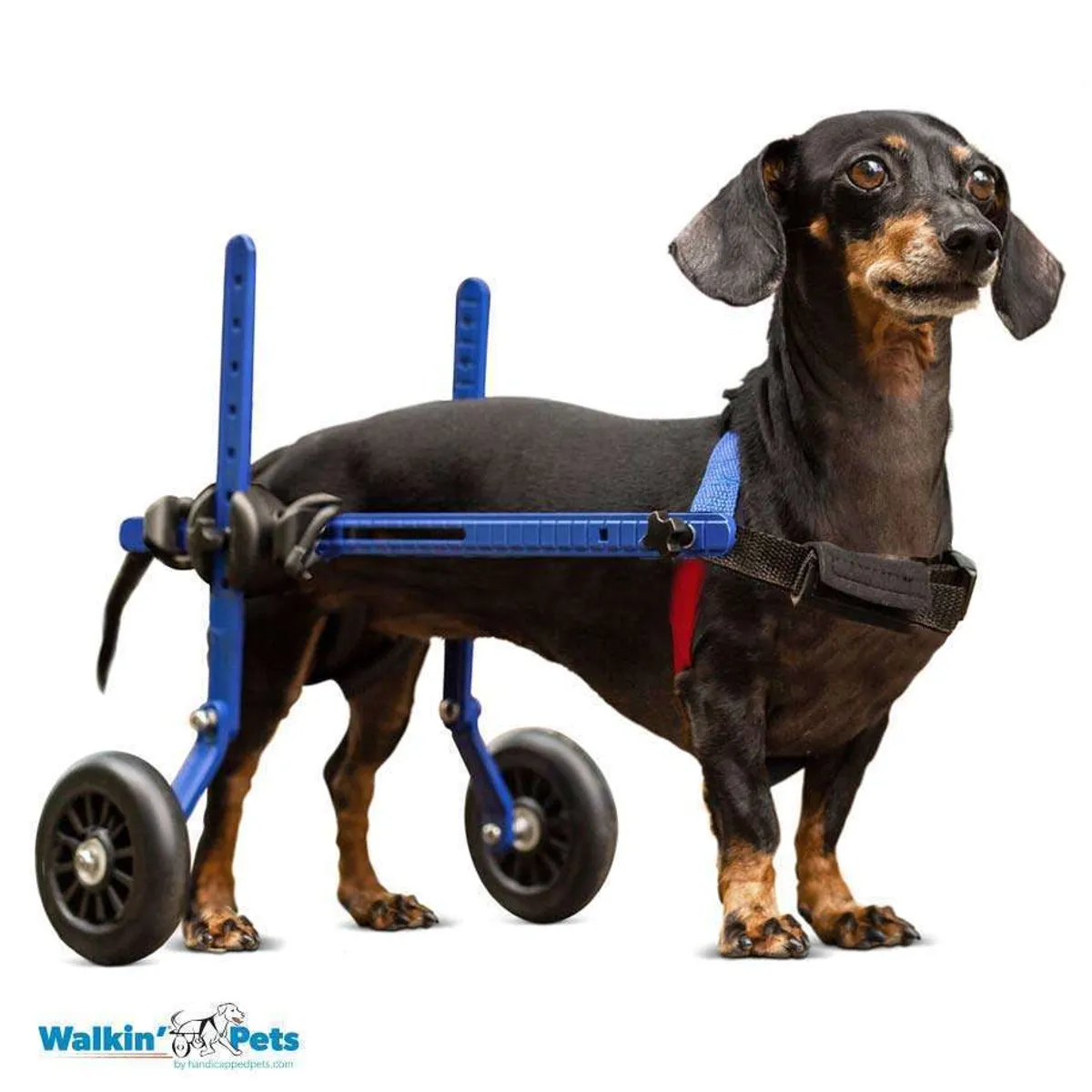
When looking at frames, prioritize total adjustability. You need a model where you can tweak the length, width, and height by fractions of an inch. When they are clipped in, their back should look perfectly straight—just like it would if they were standing naturally on the kitchen tiles.
Matching the Wheels to the Medical Need
Not every mobility journey looks the same. Your choice depends entirely on where your dog needs the help:
- Rear-Wheel Carts: This is the go-to for most Dachshunds recovering from IVDD surgery or dealing with hind-leg paralysis. Their front legs stay firmly on the ground, doing all the steering and pulling, while the wheels take the weight off the back.
- Four-Wheel (Quad) Chairs: If you are caring for a beautiful senior citizen whose front elbows are riddled with arthritis, or a pup with advanced neurological issues, a quad chair holds up their entire weight. It keeps them upright so they can potter around without collapsing from exhaustion.
Things to Consider Before Buying a Dog Wheelchair
Before you enter your card details, take a minute to imagine how the wheels will fit into your actual, daily life. Here are a few things to consider before buying a dog wheelchair that people often miss:
The Weight of the Frame
A tiny dog cannot push a heavy metal contraption. Look for aircraft-grade aluminum. It is incredibly light but robust enough to survive crashes into trees or door frames (which *will* happen while they learn to steer).
The British Weather Factor
Are you mostly walking on smooth tarmac, or are you navigating muddy park paths and wet grass? Small, plastic wheels get stuck easily. Look for puncture-proof, all-terrain rubber tyres that can handle a bit of rough terrain without tipping over.
The Toilet Situation
Don't worry, a good chair is designed so they can still do their business. Look for a harness system that leaves the rear completely clear so they can go to the loo naturally without messing the equipment.
FAQs
My Dachshund has a strict crate rest order for IVDD. Can they use a chair?
No, not yet. During an active IVDD flare-up or the initial weeks of conservative management, strict crate rest means exactly that—no movement. A wheelchair is a rehabilitation tool used after the inflammation has settled down and your vet or canine physiotherapist has officially given the green light.
Will my dog be able to lie down or nap in their wheels?
Standard two-wheel carts are designed for active exercise and standing therapy, not for lounging. Because of how they are balanced, a dog cannot sit or lie down comfortably while strapped in. They should only be in their wheels for supervised walks and playtime, usually starting with 10-minute sessions and building up.
How do I measure a dog that can’t stand up?
It takes a bit of patience! You’ll need a soft tape measure and a second pair of hands. Lie your dog flat on their side on a firm surface. Measure from the fold of their flank down to their paw pad for the height, and from the center of the shoulder blade to the base of the tail for the length. Most quality manufacturers have specific video guides to help you get this spot on.